

This page has been automatically translated. Please refer to the page in French if needed.
Medical procedures
A decree regulates the practice of aesthetic medicine
Publié le 19 novembre 2026 - Public Service / (Prime Minister)
New measures are being put in place to further regulate the medical practice of cosmetic procedures. Regulating activity, training doctors and informing patients... A decree issued in Official journal of the French Republic of 14 November 2026 imposes new rules on the professionals concerned.
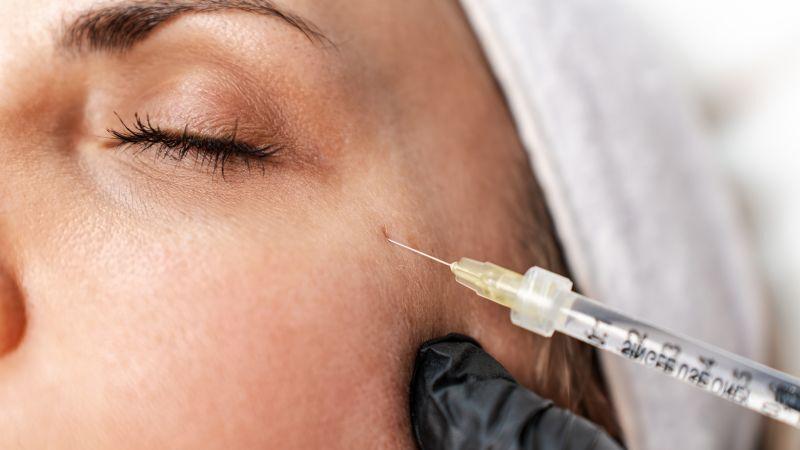
A decree published on November 14, 2026 sets the new rules that now govern medical procedures for aesthetic purposes, in order to « strengthen patient safety, guarantee the quality of training and preserve medical time devoted to care », says the Ministry of Health.
Unlike plastic, reconstructive and aesthetic surgery, aesthetic medicine is not a medical specialty in its own right. Also, in view of the increase in the use of these procedures, the Government wished to strengthen the framework for the practice of this type of medicine, in particular by introducing a complementary right of practice (DEC).
Aesthetic medicine: care concerned and declaration by the practitioner
The doctor must now declare the exercise (or cessation) of his activity for aesthetic purposes to the departmental council of the Order of Doctors to which he is registered and the competent regional health agency (ARS). The qualifications, experience and conditions necessary to obtain the authorization for supplementary practice will be verified.
This aesthetic activity can no longer be carried out as a supplementary and ancillary measure of the doctor's specialty. She may not represent more than 30% of her working time. This measure concerns all medical specialties, including dermatology, as well as private and salaried doctors, whether or not they have an agreement with the Health Insurance.
The College of Physicians establishes and maintains a list of physicians practicing this type of medicine, which can be consulted by patients. The areas requiring specific training are:
- preventive and anti-aging aesthetic medical activity;
- aesthetic medical activity of hair and hair;
- aesthetic medical activity of the eye and eye plastic;
- genital aesthetic medical activity;
- aesthetic medical activity of the silhouette.
FYI
The decree recalls that cosmetic acts are intended to « modify the physical appearance of a person at his request, for aesthetic purposes only without therapeutic, functional, restorative or diagnostic character ».
Qualification of doctors and practice of aesthetic medicine
The practice of aesthetic medicine is reserved for doctors qualified in plastic, reconstructive and aesthetic surgery, and for doctors duly authorized to exercise complementary care in relation to their specialty (in accordance with theArticle R. 4131-30 of the Public Health Code).
A complementary right of exercise may be granted:
- to physicians who have practiced for at least 5 years in their original specialty ;
- and who have validated compulsory training in aesthetic medicine.
It should be noted that the skills already acquired in certain specialties, in particular in dermatology and plastic, reconstructive and aesthetic surgery, may be recognized in order to allow partial or total dispensations of training.
What is the timetable for implementing the reform?
- Doctors wishing to pursue an aesthetic activity have until 1er July 2027 to apply for a complementary right of practice to the Order of Physicians. They may continue to practice pending a decision.
- Practitioners exclusively dedicated to aesthetic medicine for at least 5 years are 2 years old (until 31 December 2028) to reduce this activity to 50% of their medical practice over the past year, before reducing it to 30% within 3 years (by 31 December 2031).
- Practitioners practicing full- or part-time aesthetic medicine for less than 5 years until 31 December 2028 to comply with 30% of their working time over the past year.
Obligations to inform patients and to obtain consent for cosmetic procedures
1/ The following information must be displayed in the waiting rooms of places offering a medical practice for aesthetic purposes:
- The statement: « Any medical practice for aesthetic purposes is carried out in a non-therapeutic context and is based on the free and informed choice of the person ».
- The diploma or complementary right of practice that has been issued to the doctor, allowing him to carry out the activity.
2/ Before carrying out any medical practice for aesthetic purposes, the doctor must give the patient an information sheet (to the holder of parental authority in the case of a minor) mentioning: the skills required for the act performed, its possible contraindications, complications and adverse effects.
3/ The doctor collects free and informed consent the adult (or the holder of parental authority) and gives him in writing the recommendations to be complied with after the act has been performed. It ensures the traceability of this consent in the medical file.
4/ He must give the person a detailed estimate including the methods of reporting serious adverse events associated with care. A minimum period of 5 days must be respected after the delivery of the detailed estimate, dated and signed by the doctor, before the performance of the act by the latter.
Additional topics
Agenda
Du 21 nov. au 27 nov. 2026
Départ à la retraite
Publié le 16 novembre 2026
À partir du 20 nov. 2026
Consommation
Publié le 12 novembre 2026
À partir du 1 nov. 2026
Sécurité routière
Publié le 20 octobre 2026